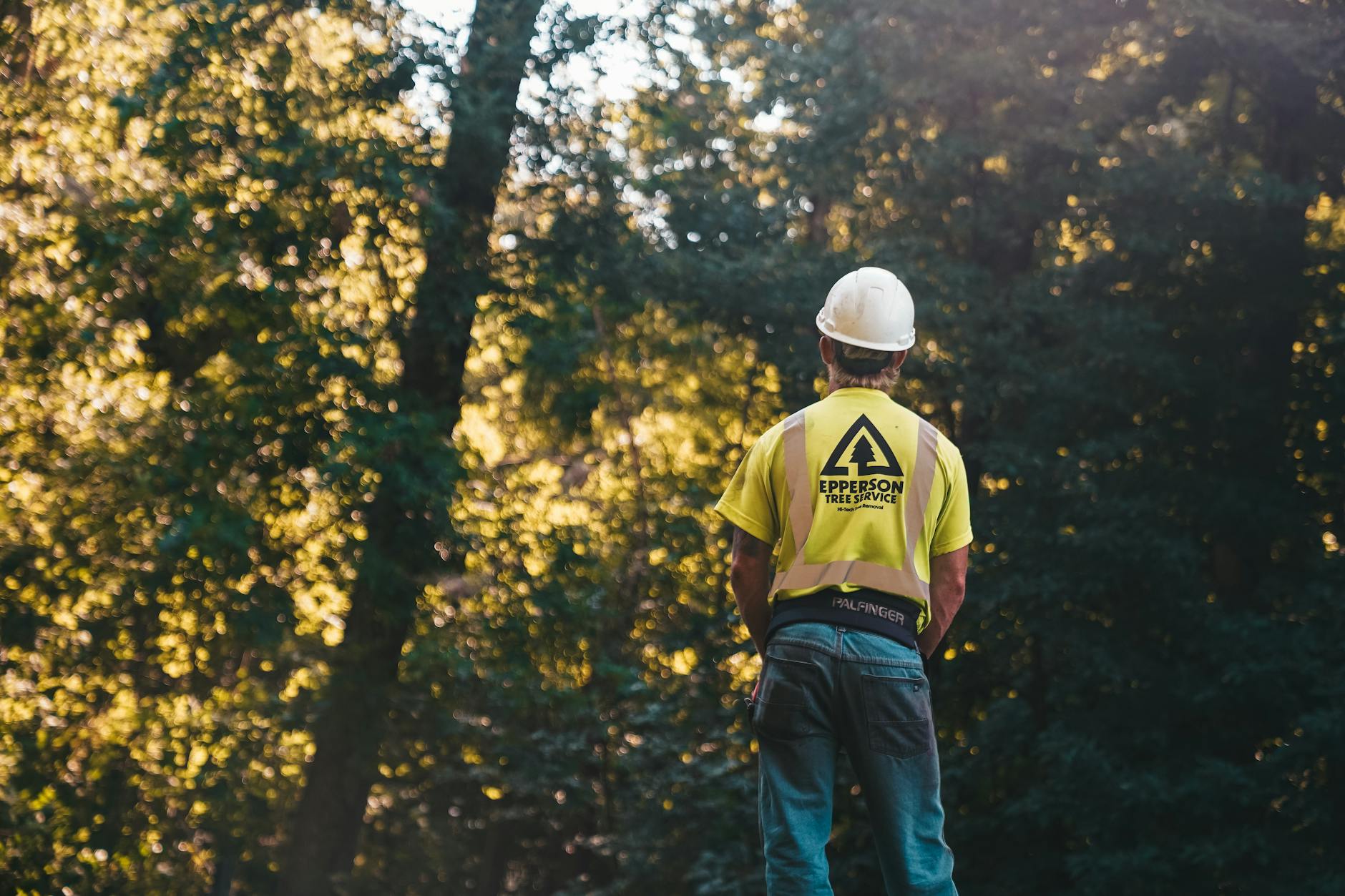
How Construction Risks in Australia Can Be Mitigated with Expert Advice

Identifying Key Construction Risks
Understanding the various factors that can impact construction projects is crucial, especially in areas like Brisbane. Here in South Bank, where some of the city's most significant projects are ongoing, being aware of key construction risks is a fundamental aspect of effective risk management. Identifying these risks early can inform better safety protocols and decision-making on the site.
Weather-Related Challenges
The Brisbane climate, while generally pleasant, can bring unexpected challenges to construction projects. Sudden storms and high humidity can delay timelines and affect the durability of materials like concrete. Planning for such eventualities ensures projects remain on track and resources are optimally allocated.
Safety Hazards on Site
With intricate construction sites popping up around the Brisbane CBD, safety hazards are a prominent concern. It's crucial to prioritise preventative measures for common risks, such as falls, equipment mishandling, and insufficient safety gear. Regular safety workshops, similar to those offered at the Queensland University of Technology, can be invaluable. Incorporating advice from an experienced car accident lawyer can also provide insights into preventing and managing potential incidents, particularly those related to machinery or transport on site.
Material and Supply Issues
Material shortages and supply chain disruptions have been a significant challenge lately, with the global market experiencing unprecedented fluctuations. This can delay projects and increase costs, emphasising the importance of maintaining trusted supplier relationships and having contingency plans. For those managing construction projects in Melbourne, consulting with car accident lawyers Melbourne might offer insights into managing supplier contracts and logistics effectively.
The Value of Expert Advice
Navigating Regulatory Changes
As a risk assessor in the construction industry, I've noticed that staying ahead of regulatory changes is crucial for any project. In Brisbane, especially around the bustling CBD, regulatory offices constantly update guidelines to enhance safety. These updates can significantly affect the way projects are managed. Hiring knowledgeable Melbourne lawyers can provide clarity on these changing regulations, ensuring that your construction operations align with the latest standards. This step is indispensable for avoiding costly legal issues and maintaining compliance.
Adopting Innovative Solutions
Innovative solutions often hold the key to overcoming persistent challenges in construction. For instance, integrating new technologies can streamline work processes and improve project outcomes. In my experience, working with cutting-edge tools reduces risks related to human errors and inefficiencies. Consider collaborating with experts or attending workshops at institutions like the Queensland University of Technology to gain insights into the latest advancements. This proactive approach not only safeguards projects but enhances their overall quality.
Enhancing Project Efficiency
Efficiency in construction projects is a priority, as it directly influences timelines and budgets. By tapping into expert advice, particularly from no win no fee lawyers Melbourne, you can gain valuable insights into contract management and dispute resolution. This knowledge helps mitigate risks that can derail projects. With their guidance, you ensure that each phase of your project is optimised for success, fostering a vigilant approach to construction management. These steps contribute significantly to achieving project objectives effectively.
Strategies to Mitigate Risks
Comprehensive Planning Techniques
In construction projects, planning is essential to mitigate risks effectively. As I navigate the complex terrain of Brisbane's construction sites around South Bank, a key element is developing thorough project timelines that account for potential delays and unforeseen issues. This may involve creating a flexible schedule that accommodates weather disruptions or material shortages.
Benefits of robust planning:
-
Forecasting and adaptability: With comprehensive planning, risks such as supply chain interruptions or sudden regulatory changes can be anticipated and addressed promptly.
-
Budget management: With detailed cost estimates, financial overruns can be avoided, ensuring that projects remain within budget parameters.
Implementing Safety Protocols
Safety is paramount in high-risk environments like construction. Establishing clear safety protocols is crucial for preventing accidents and protecting workers, which is especially vital in bustling areas such as the Brisbane CBD. Regular training sessions at facilities like Queensland University of Technology can ensure that safety measures remain up-to-date and personnel are well-prepared.
Key safety measures:
-
Regular inspections: Conducting frequent site inspections can identify emerging hazards before they become critical.
-
Protective equipment: Ensuring that workers have access to proper safety gear is a non-negotiable aspect of reducing workplace incidents.
Efficient Resource Management
Efficient resource management reduces waste and streamlines operations, allowing for swift responses to unexpected challenges. Technology can aid in tracking resources, ensuring that manpower, machinery, and materials are optimally utilised, minimising downtime and enhancing productivity.
By integrating these strategies, construction professionals can significantly diminish potential risks, fostering a safer and more efficient work environment. Engaging with experts like workcover lawyers and Asbestos lawyers can also fortify your efforts by providing invaluable insights and support.
Legal Considerations and Support
Understanding Contractual Obligations
In the construction sector, understanding contractual obligations is paramount. It's essential to scrutinise every detail of contracts to avoid potential legal pitfalls that may arise during a project. As someone working within the industry, one principal focus should be the precise articulation of deliverables and timelines. Detailing project scope, specifying milestone requirements, and defining payment terms are critical to preventing misinterpretations. Furthermore, ensuring clear terms regarding risk allocation can safeguard against unforeseen liabilities. Engaging with compensation lawyers Melbourne might be advantageous, particularly if you're extending your business operations into Victoria. They can provide insights into local regulations that may affect contract terms.
Managing Disputes Effectively
Proactively managing disputes can greatly enhance project flow and team morale. Open communication channels and a clear dispute resolution process are vital. Techniques like mediation or arbitration can often resolve issues while preserving business relationships. Establishing a protocol for addressing grievances helps in mitigating delays and additional costs. It's also beneficial to document all communications related to disputes for future reference.
Leveraging Professional Legal Assistance
Seeking professional legal assistance should not be viewed as a last resort but rather as a proactive measure to fortify your business. Legal professionals offer valuable expertise in risk assessment, contract law, and dispute resolution. They can help construct robust contracts, offer negotiation strategies, and provide representation if needed. Consider collaborating with experts who understand the nuances of the Brisbane construction landscape, as they can provide tailored advice that resonates with the standards expected at training centers like the Queensland University of Technology.
Common Pitfalls in Construction Risk Management
Ignoring Potential Hazards
Inattention to potential hazards on construction sites around South Bank can create a ripple effect, leading to more significant issues. Despite adverse weather conditions being infrequent, overlooking these variables can exacerbate large project risk. Implementing predictive weather tools and site inspections ensures the site is prepared for unexpected conditions. These protocols not only mitigate physical dangers but also minimise project delays, ensuring deadlines are met efficiently.
Insufficient Risk Assessments
An inadequate risk assessment undermines the safety culture at any site, including the ones supervised by regulatory offices in the Brisbane CBD. Regular training at institutions like Queensland University of Technology emphasises that detailed risk assessment should be a crucial component of the construction lifecycle. Comprehensive evaluations of both current and evolving risks allow teams to respond promptly to new challenges. Applying data-driven risk assessment tools can further enhance the accuracy and reliability of these evaluations.
Not Updating Safety Measures
Failure to update safety measures is tantamount to inviting risks into your project's progress. As safety standards evolve, staying informed of best practices and regulatory changes is crucial. Quarterly seminars or workshops can introduce new safety measures and allow for open dialogue about site-specific risks. By regularly integrating this knowledge, teams can avoid costly mistakes and ensure compliance, safeguarding both the workforce and the project from unforeseen issues.
A proactive approach to risk management is imperative in maintaining the safety and success of any construction project.